Tamper-Evident Water Cap Moulds for Defined Bottle Necks
Mincong Mould reviews custom injection moulds for water-bottle caps with a tamper-evident band. The tooling proposal starts with the approved cap and bottle-neck geometry, sealing arrangement and intended opening behaviour. This page is for buyers defining a particular banded closure, rather than selecting a generic cap by nominal diameter alone.
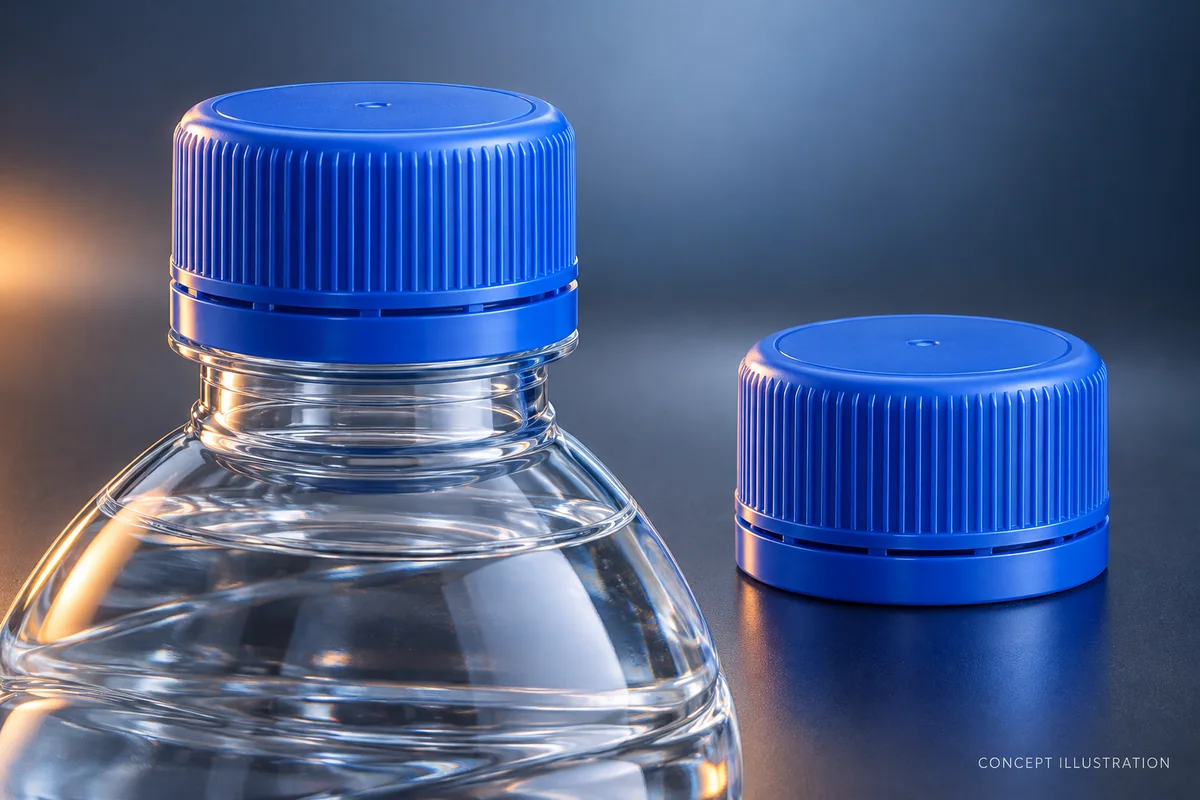
Make the neck, seal and tamper band work together
Supply the bottle-neck drawing and a representative mating bottle or neck sample alongside the cap drawing. Identify the thread or retention features, the intended sealing surface and the neck feature that retains the band. These interfaces need to be reviewed as an assembly: a cap can look acceptable by itself while its band catches during application or fails to indicate first opening as intended.
Our tooling review separates three requirements: fitting the cap to the neck, maintaining the agreed seal and producing the defined first-opening indication. Approving one does not approve the others. State the application method and the customer’s acceptance tests before the tool configuration is confirmed. A tamper-evident feature indicates opening under its defined conditions; it is not an assurance that a package cannot be opened or altered.
Choose the band-forming and release route before the layout
The drawing must identify which band features are formed in the mould and which require a subsequent operation. If slitting or folding is proposed, define the equipment interface, part handling and responsibility for that operation in the quotation. If the project requires a finished closure directly from the mould, raise that requirement at the first review rather than treating downstream equipment as an acceptable substitute.
Stripping, moving tooling features and other release arrangements are evaluated against the actual undercuts, resin and band geometry. The proposal should explain how the closure is supported and released without making the band or seal the unintended load-bearing feature. We do not assign a slider, stripping method or automatic production claim to every water-cap design.
Configure the mould around a usable closure
| Decision | Information needed for the proposal |
|---|---|
| Resin and shrinkage basis | Exact grade, colour system and supplier processing information |
| Feed and cooling | Allowed gate location, functional surfaces, cavity layout and available utilities |
| Machine and handling | Actual machine specification, removal method and downstream interfaces |
| Maintenance | Access to the band-forming details, sealing features and agreed service components |
Cavity count follows the part, production target and machine limits. A requested output should be expressed as acceptable closures under agreed conditions, not only shots per minute. No universal cycle or mould-life figure is assigned on this page.
Approve the assembled pack at the trial
Use the agreed resin, mating neck and cap-application conditions. Review dimensions and appearance by the agreed sampling plan, then perform the specified sealing and first-opening checks separately. Identify premature bridge damage, incomplete separation or band retention problems as distinct findings. Where another supplier performs slitting or folding, include samples after that operation in the relevant acceptance stage.
Record the scope of any correction and repeat the affected assembly checks. This keeps tooling acceptance tied to the purchased closure function rather than a mould-only visual inspection.
Send your water-cap project
Send the cap and neck drawings or permitted samples, resin grade, target output, machine data and opening/sealing requirements. Identify whether slitting, folding or other downstream operations are allowed and who will supply them. We can review the tooling scope and flag open interfaces before a detailed quotation is agreed.
Request a tamper-evident water-cap mould review
For the wider tooling range, see our water and beverage cap mould overview. The neck-fit and sealing guide and cap release review explain the engineering questions in more detail.
PRODUCT SHOWCASE
Explore Related Packaging Moulds
Explore related tooling for your packaging project. Each page explains its own scope and quotation requirements.
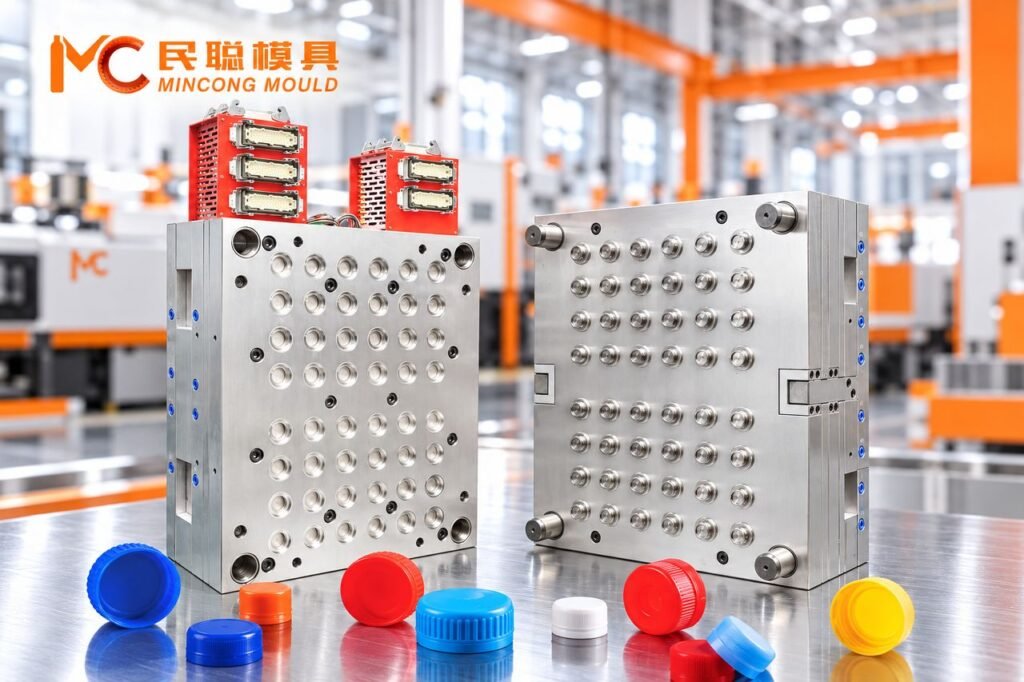
BEVERAGE CLOSURES
Water & Beverage Cap Moulds
Review cap tooling around the bottle neck, closure structure and production requirements.
Explore product →
FUNCTIONAL CLOSURES
Oil & Functional Closure Moulds
Explore tooling for oil caps, dispensing features and defined opening arrangements.
Explore product →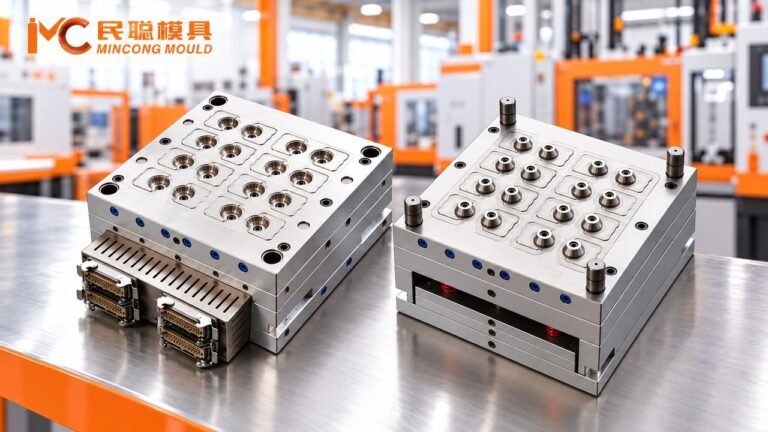
CONTAINER HANDLES
Handle Moulds
Review handle tooling around container fit, load requirements and release.
Explore product →