Precision tooling.
Practical production.
Custom injection moulds, PET preform moulds and bottle blow moulds developed around your product, machine and production plan — from drawing review to mould trial.
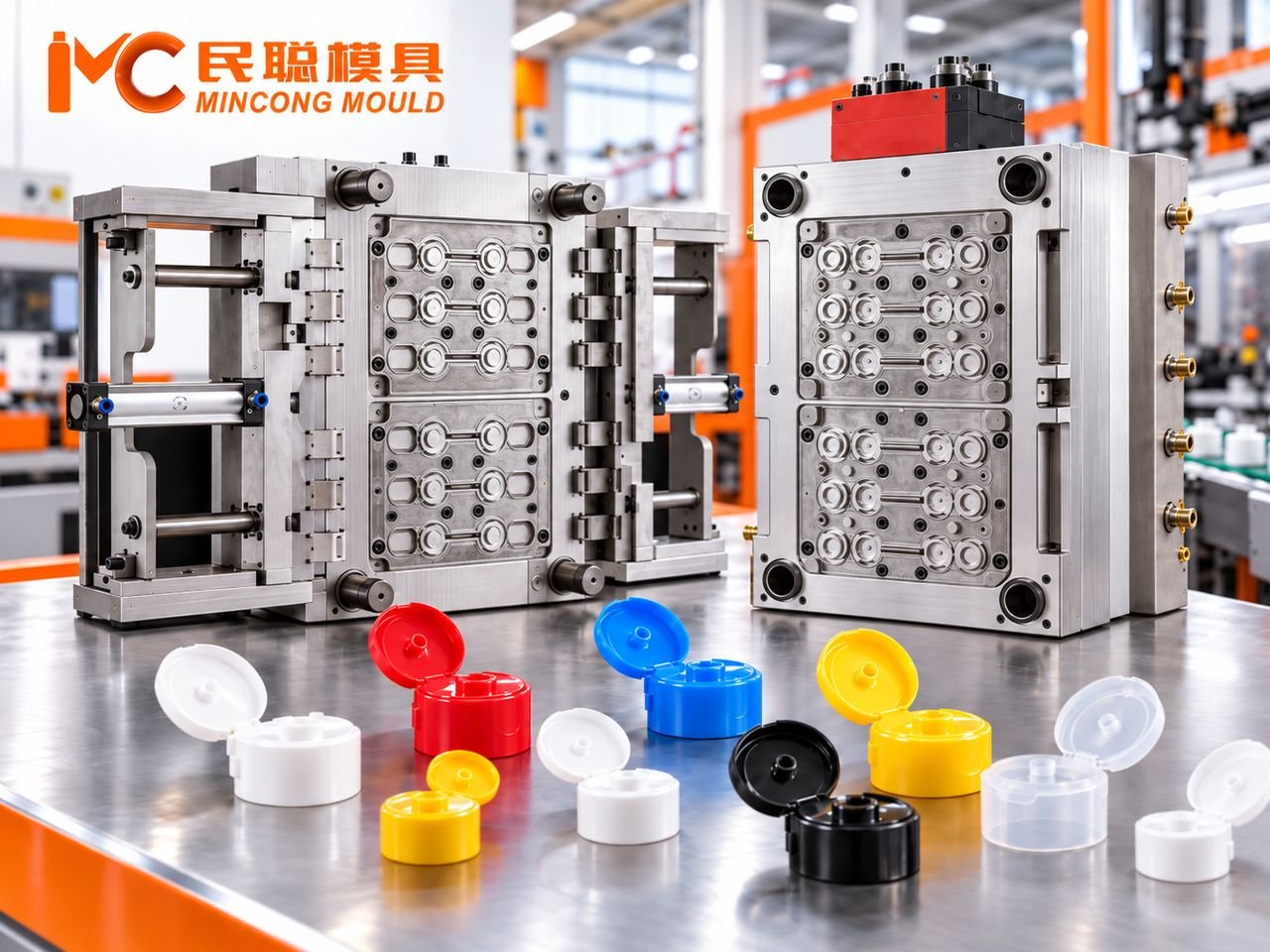
Tooling shaped around
the part you need to make.

Build the closing sequence
into the tooling plan.
Living-hinge formation, cooling, ejection and closing must work together. We review the cap and machine before selecting in-mould or external closing.
Automatic closing — reference configuration
- Cavities
- 12-cavity reference
- Mould plates
- 4Cr13
- Cavity & inserts
- FS136
- Hot runner
- YUDO
- Reference machine
- 250T injection machine
- Reference cycle
- About 20 seconds
Machine capacity and cycle depend on the approved cap, cavity layout, resin, cooling and operating conditions.
Closing route & maintenance
In-mould closing and an external closing line are evaluated against the cap, machine stroke and handling sequence. Closing mechanisms require lubrication, cooling and scheduled inspection.
What to send for a review
Send the cap drawing or sample, resin, output target and injection-machine specifications. Include the bottle neck and closing requirements where available.
Flip-top Cap Mould
Living hinges, coordinated ejection and automatic closing — planned around the cap and injection machine.
Explore mould solutions →
Water & Beverage Cap Mould
Sealing, tamper-evident bands and balanced multi-cavity production.
Explore mould solutions →
Oil & Functional Closure Mould
Pull rings, controlled dispensing and matched closure structures.
Explore mould solutions →
Medical Packaging Mould
Tooling for tubes, laboratory consumables and packaging closures.
Explore mould solutions →
Handle Mould
Container fit, carrying load and repeatable release from the mould.
Explore mould solutions →
PET Preform Mould
Neck finish, preform geometry, balanced cooling and machine fit.
Explore mould solutions →A clear path from
part requirements to mould trial.
Runner, steel, cooling and ejection choices follow the product and the real production conditions.
Review the part
Drawing, resin, mating components, target output and available machine.
Define the tooling
Cavity layout, runner, steel, cooling, ejection and maintenance access.
Manufacture & trial
Machining, fitting and trial samples checked against agreed requirements.
Support production
Trial feedback, spare parts and practical maintenance guidance.
Different applications.
Focused tooling decisions.
Explore closing automation, preform consistency and small medical components.
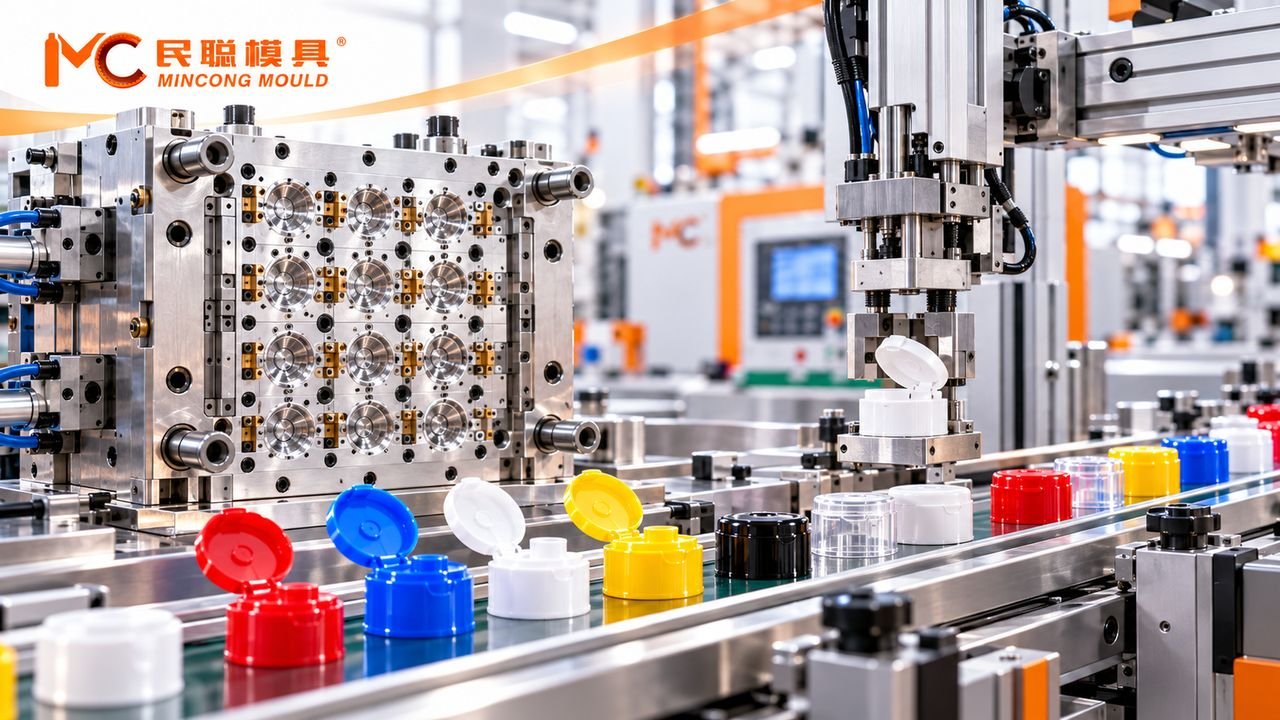
Flip-top closing integration
Coordinate mould release with a dedicated closing and handling process.
PET preform tooling
Review neck finish, body geometry, cooling and downstream bottle production.
Small medical components
Match thin sections and part release with the drawing and inspection criteria.
Mould trials & workshop footage
Selected videos from our project archive. Each clip relates to its own tooling or product example. Select Play to load the YouTube player.
Flip-top mould with in-mould closing
Archive video from Mincong Mould’s YouTube channel.
Watch on YouTube ↗Tooling workshop archive
Archive workshop footage; published 2021-12-22.
Watch on YouTube ↗Useful questions.
Better tooling decisions.
Hot runner or cold runner?
Compare material use, machine fit, maintenance and the production plan.
Read the note →What to check during a flip-top trial
Look at hinge movement, ejection, lid alignment and closing consistency.
Read the note →Will the mould fit your machine?
Check tie-bar space, mould height, shot capacity, ejection and utilities.
Read the note →Start with your part.
We will review the tooling.
A drawing, sample or machine datasheet is a useful place to begin.