Shampoo Flip Top Cap Moulds for Dispensing and Closure Fit
Mincong Mould reviews custom injection moulds for shampoo and personal-care flip-top caps. The proposal brings the bottle connection, dispensing opening, living hinge, lid latch and appearance requirements into one component review. This page is for a defined dispensing closure project; a neck-finish name alone is not a complete cap specification.
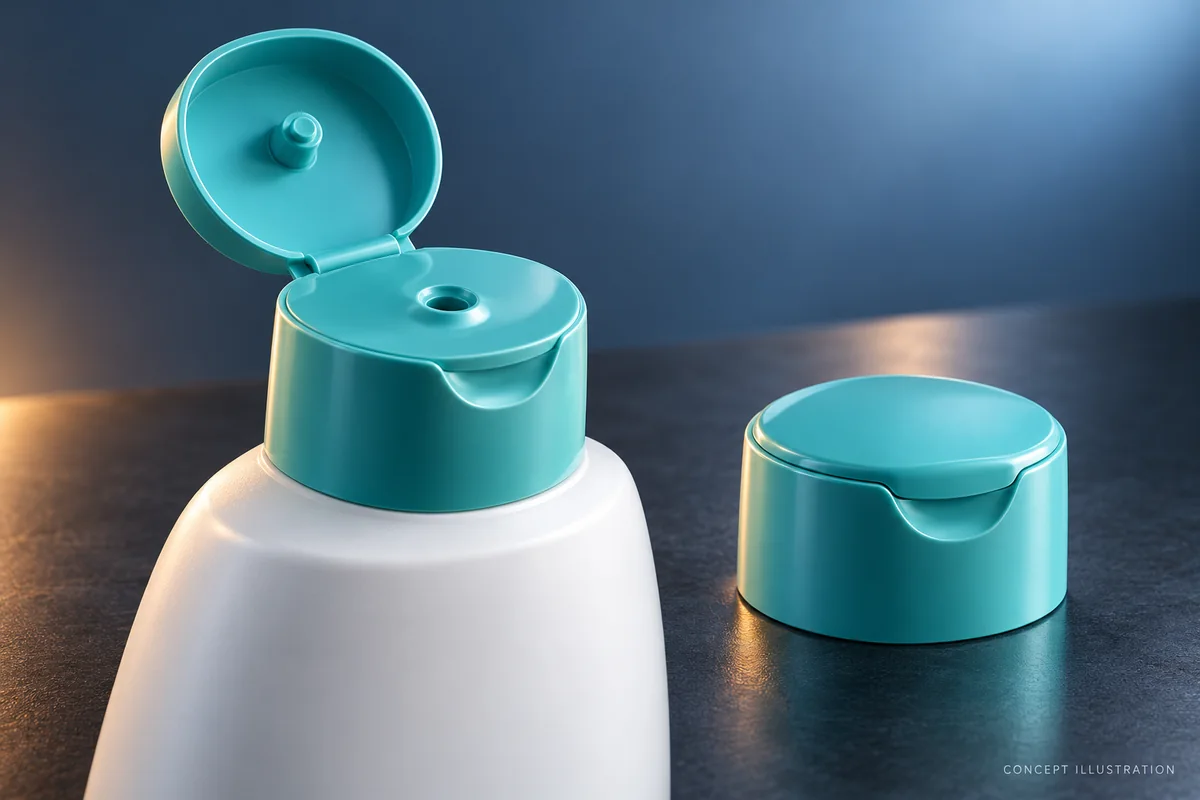
Start with the complete dispensing closure
Send the open and closed cap drawing, the matching bottle-neck specification and the intended dispensing arrangement. Identify the surfaces that seal when the lid is closed and the geometry that connects the cap to the bottle. If a nominal finish such as 24/410 or 28/410 is used, still provide the relevant drawing and tolerances: the finish reference does not define the lid, hinge, orifice or all sealing details.
The opening size should follow the customer’s dispensing requirements and evaluation of the intended product. We do not assign an orifice solely from the word “shampoo”. Different formulations and pack-use conditions can require a different result, even when the cap looks similar.
Keep hinge movement, latching and sealing distinct
A lid that closes does not automatically have the required seal or opening feel. Identify the approved lid positions, latch engagement and sealing features, and state how each will be evaluated. The tooling review should consider filling through the hinge area and release of the lid and base without relying on uncontrolled deformation.
PP is a material used for hinged closures, but the exact grade, colour system and processing basis must be specified for the actual design. Supplier information is a starting point for selection, not proof that a grade works with every hinge or packaged formulation. Agree any required repeated-opening and product-compatibility checks with the responsible customer team.
Choose the closing process around the mould and machine
Discuss whether parts must leave the mould open or closed and whether an external closing operation is acceptable. If in-mould closing is proposed, review movement clearance, part support, sequence and the machine’s available interfaces before fixing the cavity layout. The quote should identify the included closing equipment and its operating requirements.
Mincong has an existing PP pepper-cap in-mould-closing project. It can illustrate an implemented closing approach, but it is a different closure: its cavity count, machine and cycle do not establish the specification for your shampoo cap.
Approve appearance without sacrificing fit
Identify visible surfaces, acceptable witness locations and the agreed finish reference. Texture, polishing and gate location must be reviewed with the release geometry and functional surfaces in view. A cosmetic change should not silently alter a sealing land, latch or hinge transition.
Where a hot runner is considered, compare the gate arrangement, colour-change requirements and service access. YUDO options can be discussed against the project specification; Husky selection for a Mincong project remains subject to confirmation. A hot-runner brand alone does not guarantee a hidden gate or a cosmetic acceptance result.
Make the trial answer the buying requirements
Agree material, machine, colour, sampling and part-conditioning conditions. Inspect the nominated dimensions and finish, then evaluate lid movement, latching, the specified sealing test and bottle fit separately. Where dispensing performance is part of acceptance, identify the product or agreed test medium and the test method. Do not replace that test with a visual assessment of an empty closure.
Include any closing sequence in the trial scope. A cycle commitment should state its moulding and handling conditions and the basis for counting acceptable parts. It should not be inferred from the performance of another flip-top design.
Send your personal-care flip-top requirements
Send the component and neck drawings or permitted samples, resin grade, dispensing requirements, appearance reference, machine data and preferred closing process. Mark any undecided features. We can review the scope before confirming the mould configuration, tooling price and acceptance plan.
Request a shampoo flip-top mould review
Explore the flip-top cap mould overview for the wider range. For engineering detail, see the PP living-hinge guide and automatic-closing trial guide.
PRODUCT SHOWCASE
Explore Related Packaging Moulds
Explore related tooling for your packaging project. Each page explains its own scope and quotation requirements.

BEVERAGE CLOSURES
Water & Beverage Cap Moulds
Review cap tooling around the bottle neck, closure structure and production requirements.
Explore product →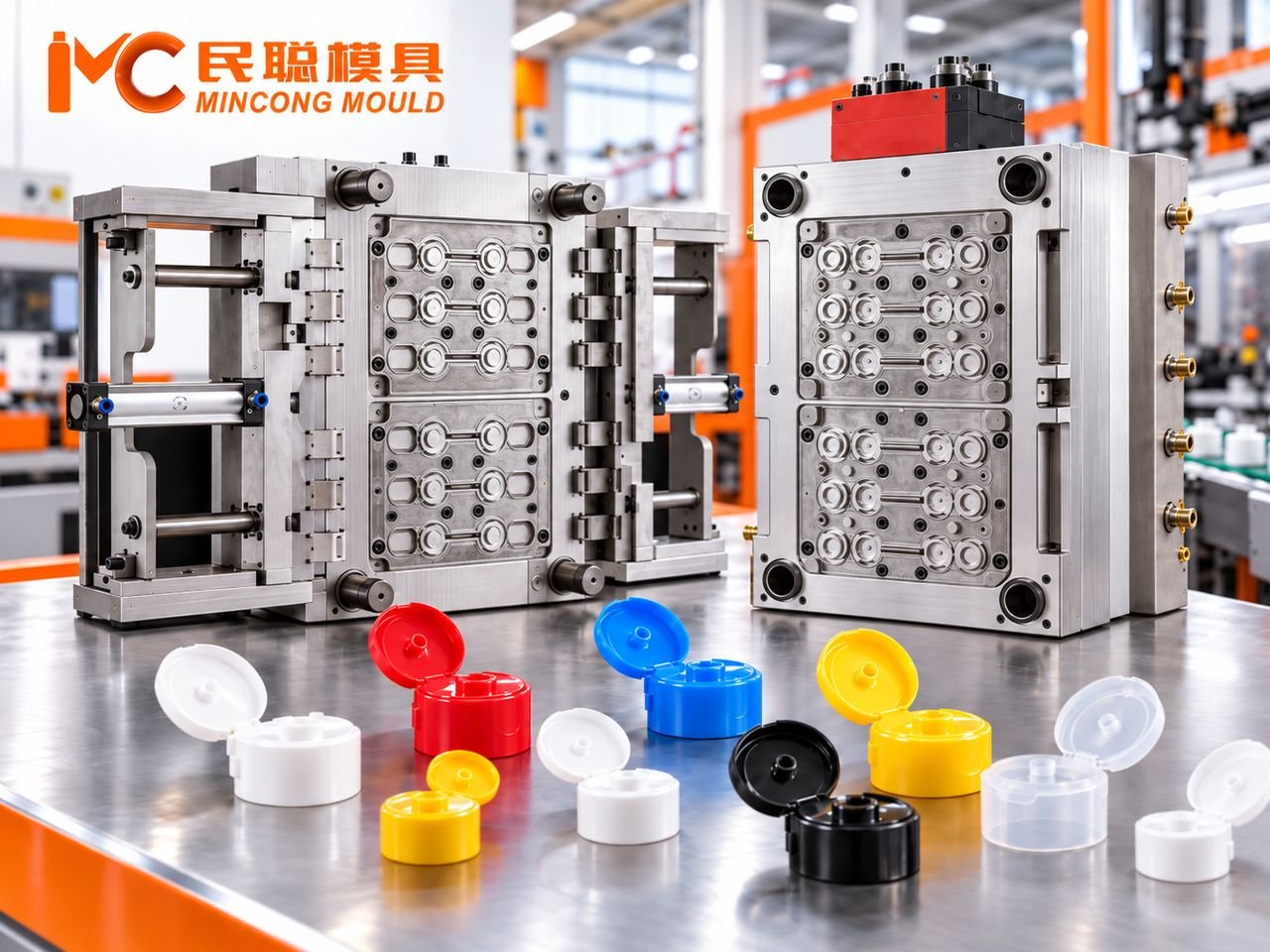
HINGED CLOSURES
Flip Top Cap Moulds
Explore tooling for a one-piece hinged closure and its closing requirements.
Explore product →
CONTAINER HANDLES
Handle Moulds
Review handle tooling around container fit, load requirements and release.
Explore product →