Medicine Measuring Cup Moulds for Graduations and Consistent Shape
Mincong Mould reviews injection tooling for plastic medicine measuring cups with defined graduations, rim geometry and handling requirements. The mould review establishes how the component will be formed and inspected. Finished-device suitability, dosing accuracy, product compatibility and any regulatory assessment remain specifically defined validation responsibilities.

Define what the graduations must mean
Provide the cup drawing, intended units, graduation artwork and the required volume-verification method. State whether the marks will be moulded, printed or produced by another agreed method. Their positions and readability should be approved together with the cup's reference surfaces.
A visible graduation is not proof of an accurate measured volume. The customer should specify the relevant liquid, conditions, reading method and acceptance limits. Tooling inspection can check the mark geometry, while the agreed finished-part assessment checks what volume the mark represents. These are related but different tasks.
Protect the rim, base and wall geometry
Identify the surfaces that contact the user or another packaging component. Define acceptable edges and any restrictions on flash, gate residue or release marks. A cosmetic requirement should name the relevant location rather than imposing the same finish on every surface.
Review wall distribution, draft and the transition into the base. A local thick section can affect cooling and shape, while an unsuitable release condition can distort a seemingly acceptable cup. The tooling proposal should state how the part is supported and removed without assuming a standard cap-ejection arrangement will apply.
Include stacking and separation in the design review
If cups are stacked for packing or feeding, provide the stack interface and the intended handling route. Check contact features, clearances and the way one cup separates from the next. A drawing of a single cup cannot demonstrate stack performance on its own.
Review samples in the agreed stack after conditioning. Distinguish problems caused by part shape, local flash, static or the handling setup before modifying steel. Any automatic denesting or packing system must be listed as a separate included scope; it is not implied by supplying a multi-cavity mould.
Select the actual resin and appearance basis
PP is used in commercial graduated medicine cups, but that application example does not select a grade for this project. Specify the resin, colour, transparency reference and relevant contact or processing requirements. Provide any planned downstream treatment that may affect the part.
Clarity should be judged on representative parts under consistent conditions. A clearer resin or a more polished cavity does not independently guarantee readable marks or dimensional stability. Where the application requires controlled production conditions, define those conditions and the supplier responsibilities before comparing mould quotations.
Confirm feeding, cooling and service access
Discuss the gate position against the base and functional surfaces. The runner proposal should account for permitted residue, material handling and production targets. Cooling and access to serviceable parts should be reviewed with the machine connections and removal method in view.
No cavity count or cycle is promised from cup capacity alone. A proposal needs the actual geometry, resin, machine and handling arrangement. Handover documents should identify the agreed operating basis, service parts and inspection evidence, with any special equipment explicitly included or excluded.
Build acceptance around representative moulded cups
Use cavity identification to compare the rim, body, base and graduations. Agree conditioning, viewing and measurement methods before trial. Where volume checks are included, identify the test owner, equipment and limits in the acceptance plan.
Send the 2D/3D drawing or approved sample, graduation file, resin specification, stack or packaging details, target output and machine data. State the intended use and validation responsibilities. No clinical, sterility, certification or universal dosing-performance claim is made by this product page or its concept illustration.
Continue the project review
Medical packaging moulds · Syringe barrel moulds · Plastic-part inspection principles
Send drawings or samples for a mould review →
Technical references and scope
General application and engineering references checked on 30 October 2026. These do not establish Mincong project performance or transfer another supplier’s design, certification or claims.
Explore related mould products
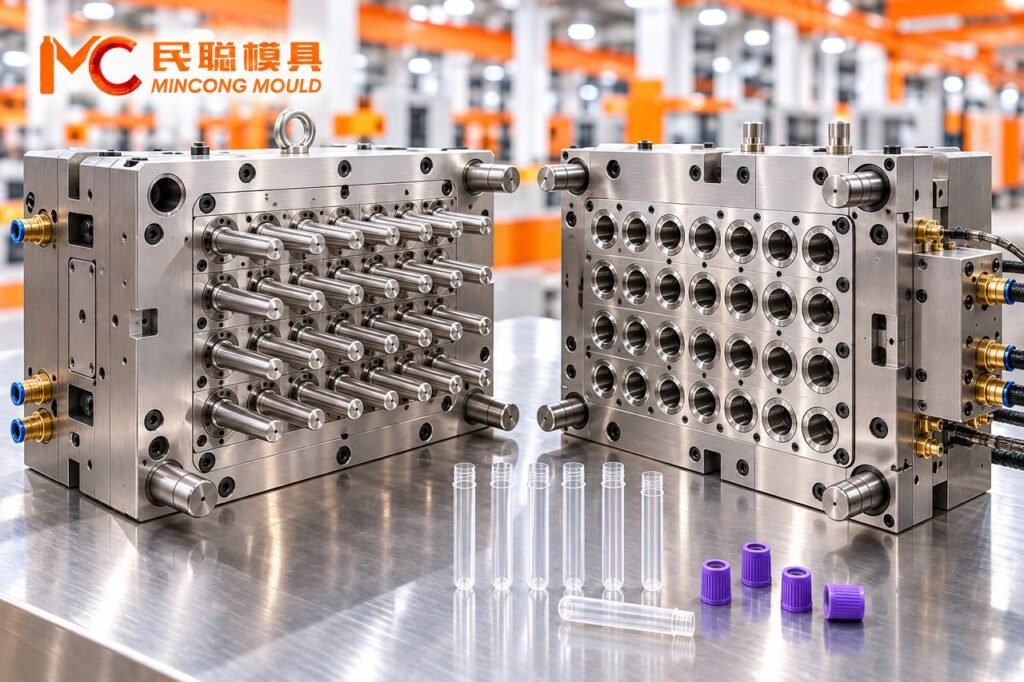
RELATED PRODUCT
Medical Packaging Moulds
Review the product scope and send the relevant component information.
Explore product →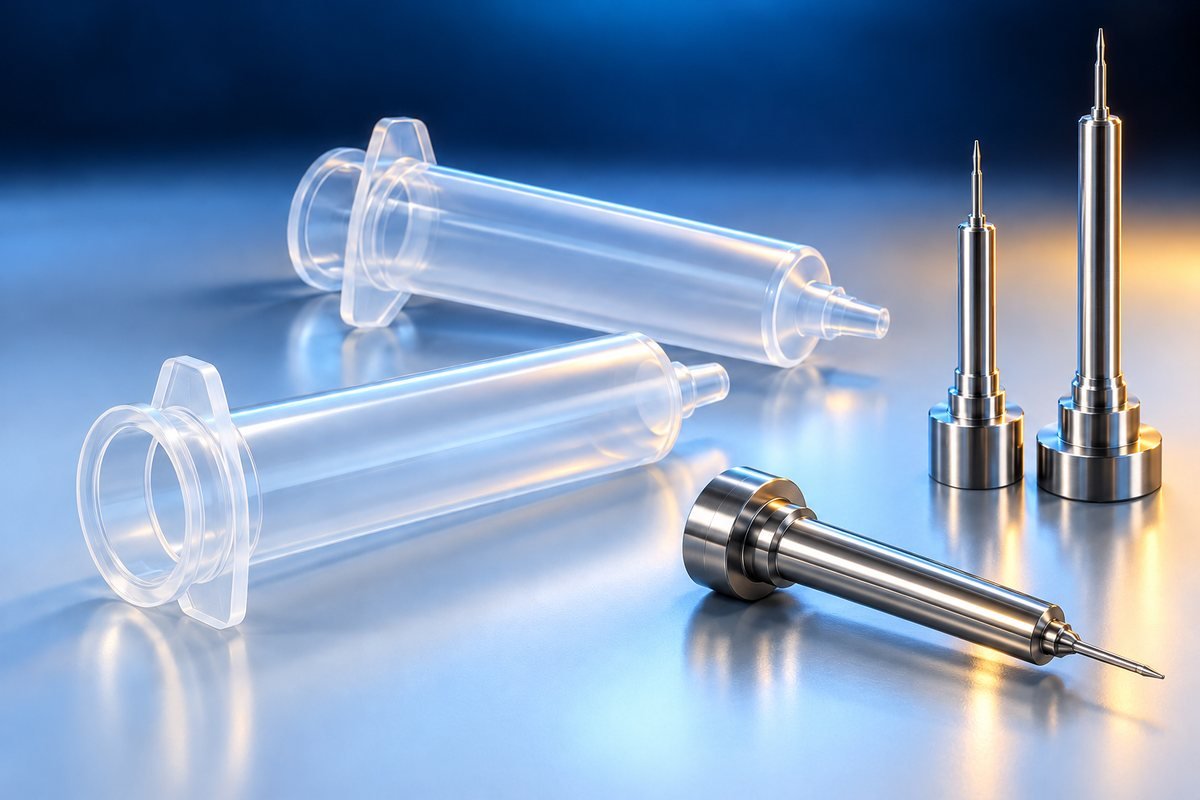
RELATED PRODUCT
Syringe Barrel Moulds
Review the product scope and send the relevant component information.
Explore product →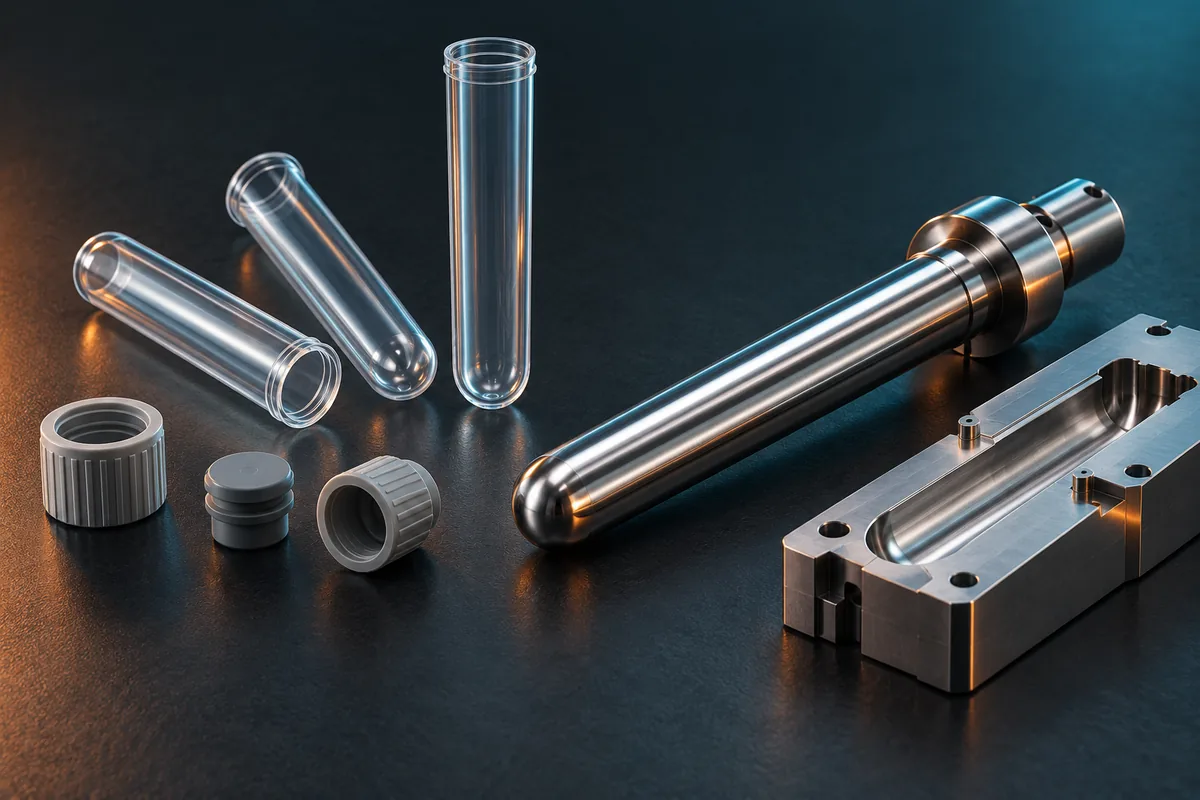
RELATED PRODUCT
Blood Collection Tube Moulds
Review the product scope and send the relevant component information.
Explore product →