Edible Oil Cap Moulds for Sealing and Opening Requirements
Mincong Mould reviews custom injection moulds for edible-oil bottle closures, including the defined plastic cap or opening component in your project. The proposal is based on the mating bottle neck, sealing arrangement and required opening method. Identify every component in the RFQ so the quotation covers the intended tool, rather than an assumed complete closure assembly.
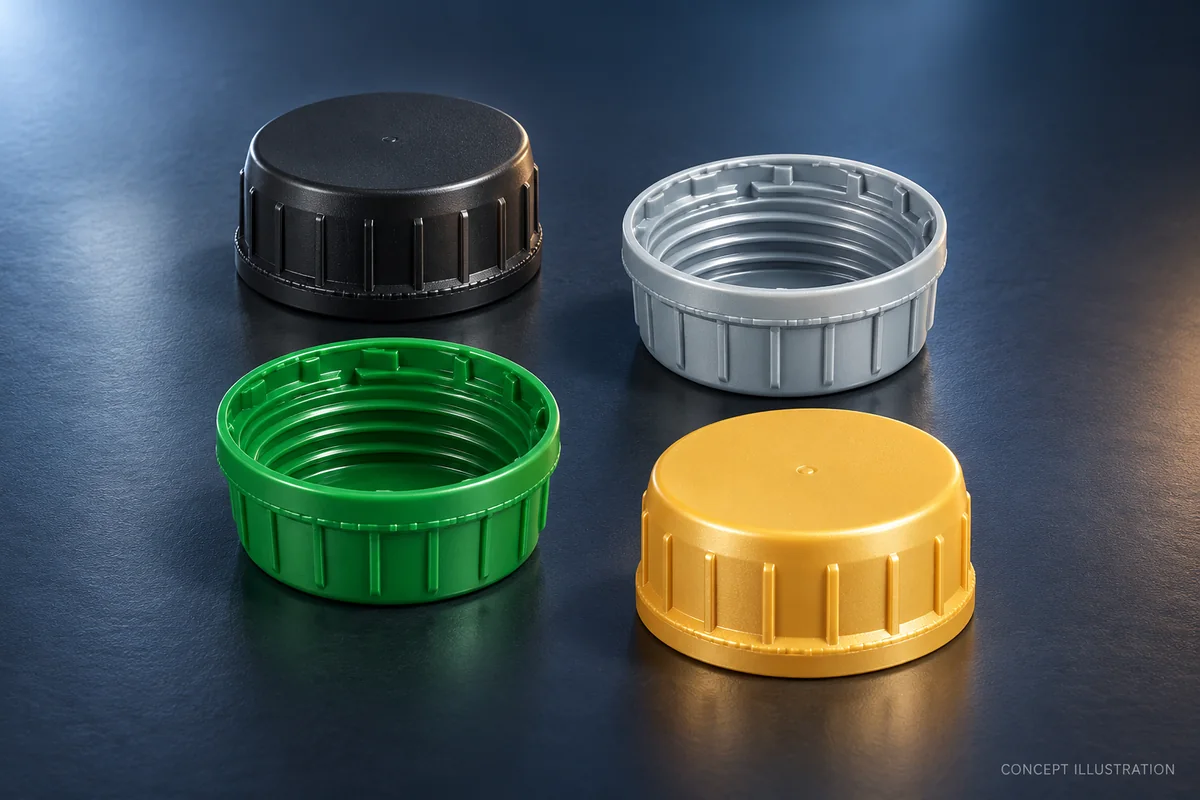
Define which components the quotation includes
An oil closure may involve an outer cap, a separate inner component, a pull-ring opening feature or a pouring element. Those parts do not automatically belong in one mould. Send an assembly view and identify the component to be moulded, its material and its mating parts. If assembly, insertion or a further opening operation is required, list it as a separate responsibility.
For a repeat design, identify the approved revision and the samples that define the interface. For a new design, distinguish the chosen closure concept from details still requiring development. This lets the proposal state what is ready for tooling and what must be agreed before steel cutting.
Review sealing and first opening as separate functions
Mark the intended sealing surfaces and supply the neck drawing. State whether the design relies on a moulded sealing feature, a separate component or another defined arrangement. The mould review should protect those surfaces when deciding the parting line, gate location and release direction. A satisfactory outer appearance does not establish the performance of the assembled seal.
If a pull ring or breakable feature is included, define the intended opening sequence and the acceptance method. The review needs to consider both unintended damage during manufacture and the customer’s required opening behaviour. We do not publish a universal opening-force limit: the appropriate limit depends on the approved design and test conditions.
Match the release method to the functional features
Threads, retention features and pull-ring geometry can impose different release requirements. The tooling proposal should identify where the part is supported, how the relevant undercut is released and which surfaces must remain protected. Do not assume a release method used on a simple screw cap will transfer unchanged to a closure with an internal opening component.
Discuss access to the small functional details when reviewing service components. If a feature needs correction after trial, define the permitted change and its effect on the mating neck or component. Maintenance convenience should be assessed alongside the ability to reproduce the required shape.
Choose the resin and feed system for the actual part
Provide the specified resin grade, colour system and applicable material documentation. Material suitability and food-contact conformity must be confirmed for the actual packaging application; buying a mould does not by itself certify the finished cap or assembled pack.
Compare hot and cold runner proposals around gate residue, part geometry, colour changes, maintenance and the production plan. When YUDO is proposed, confirm the exact nozzle, gate and control arrangement in the project scope. If Husky is requested, its suitability and availability for that Mincong project must first be confirmed. Neither brand name replaces a gate specification or an acceptance trial.
Trial the closure in its intended assembly
Agree the resin, machine, sampling and conditioning conditions before the trial. Review the defined part dimensions and appearance, then assemble samples with the nominated bottle and other components. Carry out the specified leakage, application and opening checks under their own agreed procedures. A successful isolated part measurement should not be reported as a completed pack test.
List the required tooling documents, agreed service parts and trial evidence in the handover scope. Cavity count, cycle, steel selection and any life commitment belong in the project quotation with their conditions, not as universal promises for every oil cap.
Request an edible-oil cap tooling review
Send the cap and assembly drawings or permitted samples, bottle-neck details, resin grade, intended machine and output requirement. Identify all supplied components, the opening method and the acceptance checks. An initial enquiry can begin with partial information if the open design decisions are clearly marked.
Discuss your edible-oil closure mould
See the oil and functional closure mould overview for related tooling, or the hot-tip versus valve-gate guide for a closer review of feed-system choices.
PRODUCT SHOWCASE
Explore Related Packaging Moulds
Explore related tooling for your packaging project. Each page explains its own scope and quotation requirements.

FUNCTIONAL CLOSURES
Oil & Functional Closure Moulds
Explore tooling for oil caps, dispensing features and defined opening arrangements.
Explore product →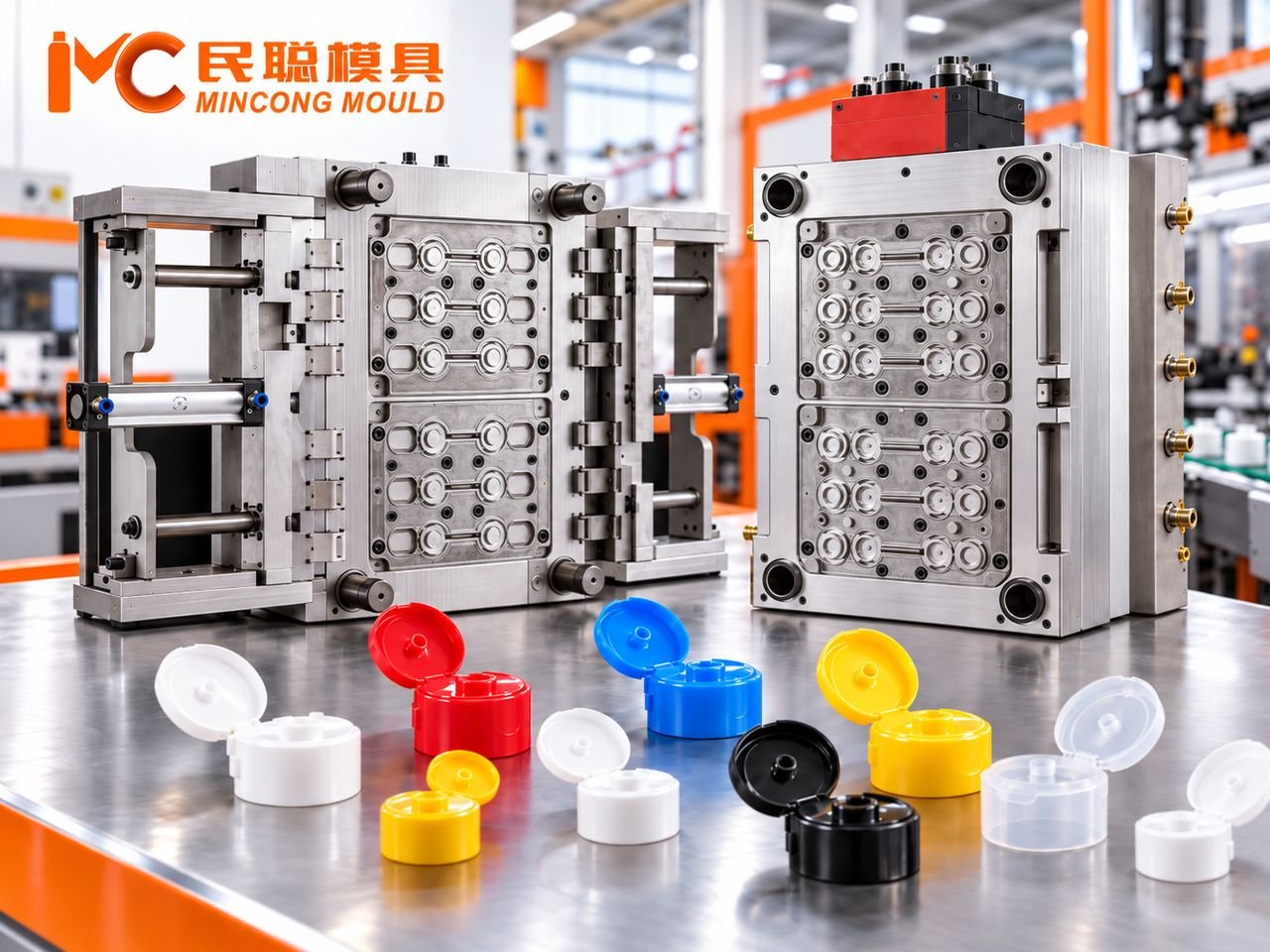
HINGED CLOSURES
Flip Top Cap Moulds
Explore tooling for a one-piece hinged closure and its closing requirements.
Explore product →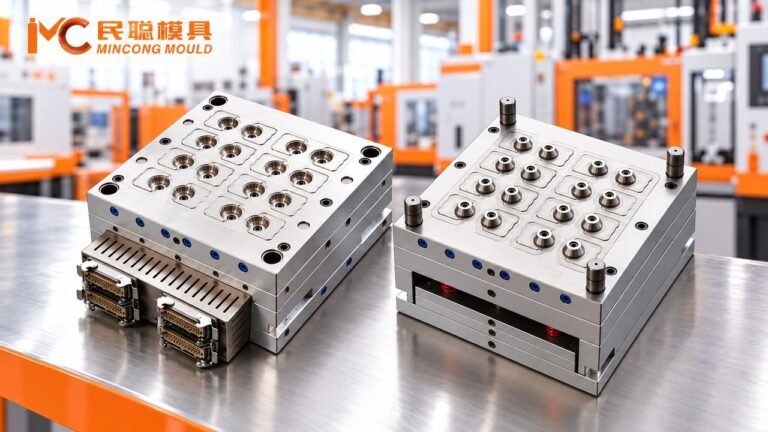
CONTAINER HANDLES
Handle Moulds
Review handle tooling around container fit, load requirements and release.
Explore product →